Pet Soft Tissue Surgery in Tracy, CA
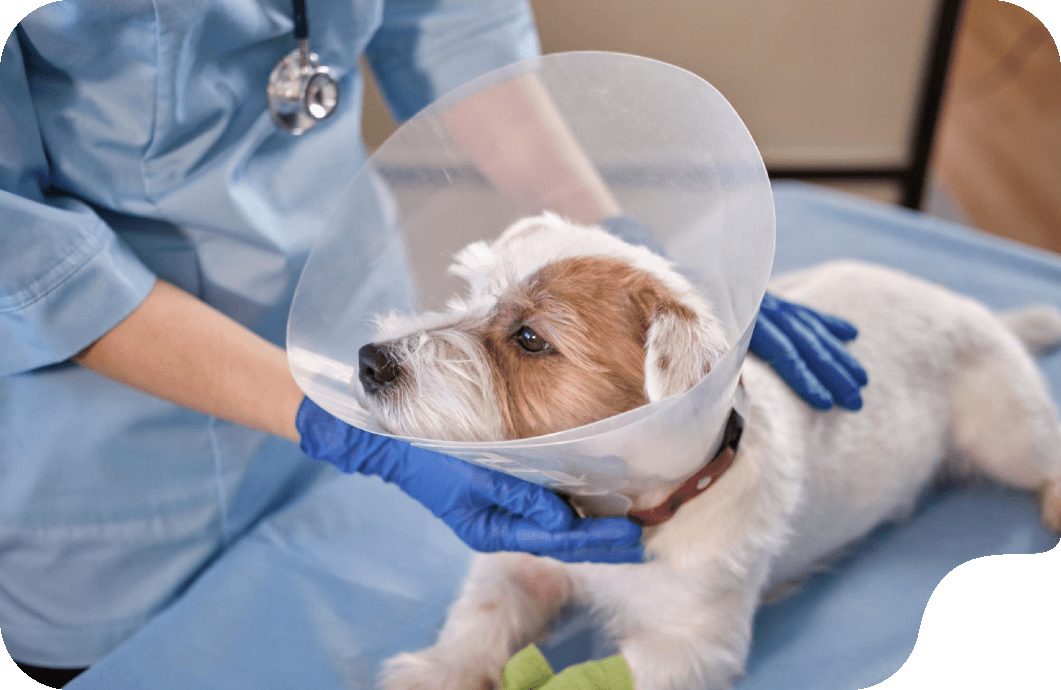
Pet soft tissue surgery in Tracy, CA supports dogs and cats when a condition affects the skin, abdomen, or internal tissues and can’t be resolved with medication alone. At Happy Tails Veterinary Hospital, our veterinarians focus on careful planning, clear communication, and comfort-forward recovery guidance so families know what to expect.
Targeted surgical care for internal and soft-tissue conditions affecting comfort and health
Soft tissue surgery may be recommended to address issues involving the skin, soft tissues, or internal organs—such as growths, wounds, or abnormalities that require surgical treatment. At Happy Tails Veterinary Hospital, our approach is built around timely assessment, thoughtful decision-making, and safety-focused care for dogs and cats. We discuss likely goals of surgery, recovery expectations, and aftercare needs in plain language so you can make informed choices. When appropriate, diagnostic findings from our Pet Diagnostics & Imaging services help guide next steps and surgical planning.

Clarity
You’ll receive straightforward guidance on what surgery is addressing, what recovery can look like, and when to call with concerns during healing.
Comfort
We prioritize pain control and home-care instructions that support rest, incision care, and safe return to normal routines.

FAQs About Pet Soft Tissue Surgery
Soft tissue surgery can feel daunting, especially when you’re worried about anesthesia, recovery, or whether surgery is truly necessary. These FAQs explain common reasons dogs and cats need soft tissue procedures, how pet owners can prepare, and what healing typically involves. Answers are written to help families seeking pet soft tissue surgery in the Tracy area understand next steps at Happy Tails Veterinary Hospital.
K
L
What does “pet soft tissue surgery” include?
Pet soft tissue surgery typically refers to procedures that involve tissues other than bones and joints, such as skin, abdominal organs, and other internal structures. At Happy Tails Veterinary Hospital, we use soft tissue surgery for dogs and cats when a medical problem requires a direct surgical solution. Your veterinarian will explain what area is affected, what the procedure aims to resolve, and what recovery will involve.
K
L
When should I bring my dog or cat in to discuss soft tissue surgery?
You should schedule an exam if you notice a growing lump, a non-healing wound, persistent vomiting, abdominal discomfort, sudden appetite changes, or pain that doesn’t improve. These signs don’t always mean surgery is needed, but they do warrant evaluation. Our veterinarians in Tracy can determine whether diagnostics, medical management, or surgery is the best next step for your pet.
K
L
What should I expect before and after soft tissue surgery?
Before surgery, your pet will receive a physical exam and may need diagnostic testing to help assess overall health and surgical readiness. After the procedure, most dogs and cats go home with specific instructions for rest, incision care, and medication. The team at Happy Tails Veterinary Hospital will outline follow-up timing and what signs would require a recheck.
K
L
How long does recovery take after soft tissue surgery?
Recovery depends on the type of procedure and your pet’s overall health, but many dogs and cats need a period of restricted activity for healing. Your veterinarian will provide a practical timeline and guidance for safe movement, incision monitoring, and return to normal routines. If your pet seems uncomfortable, stops eating, or the incision changes, contact our clinic promptly.
K
L
Does my pet always need surgery for a lump or growth?
Not always. Some lumps are benign, and others may be better managed with monitoring or medical care. At Happy Tails Veterinary Hospital, we recommend an exam first so we can determine whether additional diagnostics are needed and whether removal is the best option. If surgery is recommended, we’ll explain why it matters and what it is intended to prevent or resolve.